
Unless you’re so far under a rock that you’re not even reading this blog in the first place, you’ve heard that a double strike of writers and actors has resulted in the effective shutdown of the movie and TV industry in the United States. This of course affects more than just writers and actors, as well as more than just US citizens; lots of people other than actors and writers work in these industries, and a staggering number of people will be indirectly affected by the lack of production in the meantime. (For an idea of how interconnected everything is, I suggest reading the famous essay, “I, Pencil.”)
View full article »Latest Entries »
Just a quick little announcement at the request of a friend.
Years ago, Steve Diamond decided to pitch a special edition product to his friend (and now podcast co-host and coauthor), Larry Correia. Larry has a particularly awesome series, which currently consists of a trilogy and some short stories, known as The Grimnoir Chronicles. The elevator pitch for that one is X-Men set in an alternate history 1930s. It’s historical fantasy where the magic operates like superpowers, with everyone who has magic having an innate ability for one particular kind of magic (though you find out that limitation isn’t all it appears to be). It’s an absolutely fantastic story in a high-action noir setting with an unforgettable cast of characters.
Well, Steve wanted to publish a special-edition, limited run version of the trilogy. He sourced extremely high-quality paper, got some awesome covers from the European editions not released in the US, and even got fancy cases to protect each novel. I even had a minor hand in helping to confirm the Japanese lettering was accurate, because I was working a few blocks from the Japanese consulate in DC at the time (which means that if there’s a problem with it after all, it’s my fault, not Steve’s).
View full article »I got wiped out by illness last week, but a large number of you wanted another post on ChatGPT, specifically on the ‘idea winnowing’ I mentioned in my last post. (And if you missed the first post, explaining what ChatGPT is and how it works, click this shiny and well-crafted link.)
Just to recap: you’ll see a lot of people referencing ChatGPT as a tool for idea generation. That’s using it the wrong way. Ideas are a dime a dozen. You already have too many of them buzzing around your head; that’s why you feel like you can’t come up with anything, because nothing is standing out. Instead, ChatGPT can be used to winnow that mess down to something manageable.
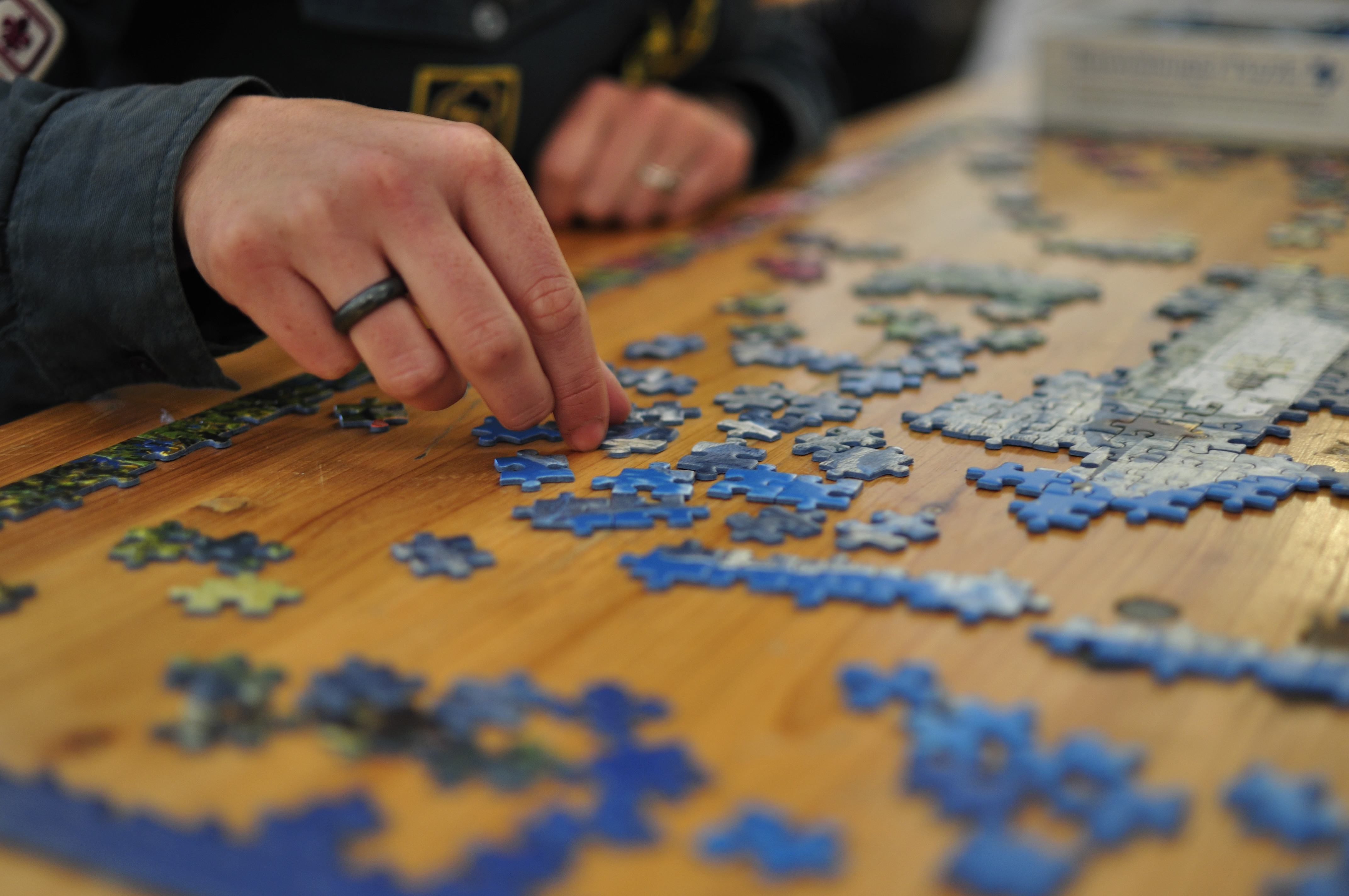
We do this just as we would without ChatGPT: by focusing on some sort of starting point. That can be something generic, or even starting by rejecting something specific — or both. Try phrasing something as “I want X, but not Y.” For example, “I want a genius scientist character, but I don’t want someone socially inept.” If you were bouncing that off of a friend, he or she might say, “Like Tony Stark?” which then gives you an opportunity to narrow it down, such as by saying “Yes, but not arrogant. Charming, but not full of himself” or maybe “No, more like someone Robin Williams might have played. A joker who doesn’t seem to take things seriously, but actually does.” That’s how idea winnowing works. Like putting together a puzzle, you start with an edge and then explore around to find pieces that can fit.
View full article »
Congratulations, you’re published! But how can you get your books on shelves where people can see them?
Maybe you lucked out and got published with a house that has a distributor agreement; but that’s not going to get you in all stores or libraries, especially if the person in charge of ordering doesn’t know you exist. They don’t order three copies of everything, after all — or even just one. So is it worth it to talk to stores and libraries?
The short version is, yes, it is. The worst they can do is say no.
View full article »Last time, I covered what ChatGPT is, what it isn’t, and some things to keep in mind if you choose to use it to help your fiction. Now we’re going to get into how to use it, or other machine learning programs, to aid your fiction. Though, first, I’m going to try to underscore some of the caution I tried to instill in the last post: do not mistake ChatGPT for an unbiased assistant, talking encyclopedia, or genius author.
ChatGPT is Your Tool, Not Your Coauthor
As I said last time, ChatGPT is a particular tool. On his WriterDojo podcast, Larry Correia frequently describes elements of writing as “another tool in your toolbox,” meaning that you don’t have one tool for all jobs, and not all jobs require all of your tools. It also means you should put in the effort to understand the contents of your toolbox; you can technically split a log with a hammer, but that doesn’t make it a saw.
View full article »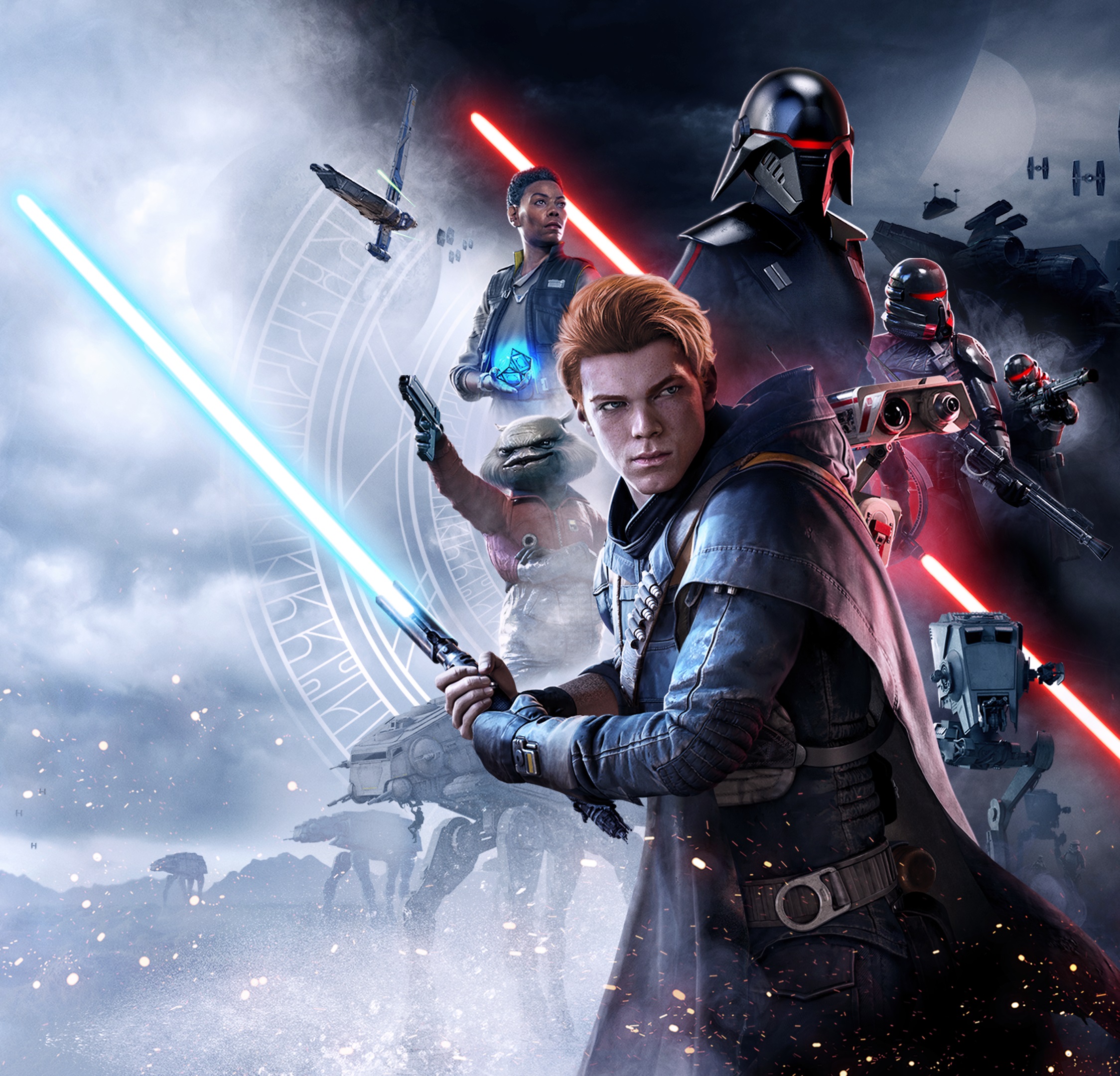
I’ve talked about games plenty of times on this blog, but I don’t think I’ve ever done a game review. You may have seen the ads for Jedi: Survivor lately, as it’s getting a big push and is highly anticipated by fans, so I thought it makes for a good opportunity to talk about the storytelling power of video games using the original, Jedi: Fallen Order.
Please keep in mind that there will be spoilers in this post. I’ll put up a giant spoiler graphic when we get there so you can’t say I didn’t warn you.
Video Games as Storytelling
Video games occupy several different entertainment niches in our society today, but I want to talk about one in particular: video games as interactive movies. Much like how we often saw Star Trek characters on the holodeck playing parts in a fictional story — either a set story like a Shakespeare play or a choose-your-own-adventure tale — video games are increasingly providing a storytelling experience where, even if there’s really only one scripted outcome, it still takes effort to get there. As a kid, I never understood the appeal of going into the holodeck on the Enterprise to act out a solo performance of Shakespeare for the sake of Shakespeare, but in the last few years video games have been making me take another look. Yeah, it’s a linear story, but it becomes your story as you play. Your actions make it happen. There’s a certain primal joy in that which goes beyond the thrill of completing challenges or defeating enemies.
View full article »
These days, using AI for anything can be controversial, but even more so for creative endeavors. Is it laziness? Will it ruin your book? Is AI going to reduce human artistry to the level of cottage industry?
At the risk of spoilers, I’m not anti-use-of-AI for your writing, but it is a complicated topic that will require multiple blog posts. For now, to figure out if ChatGPT is useful or not, we first have to define what it is, what it is not, and what legal challenges there might be in using AI-generated content.
View full article »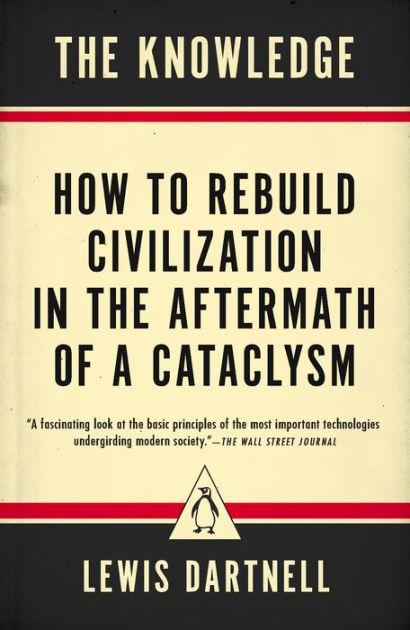
Longtime readers of this blog (not to mention those who know me on other forms of social media) are no doubt aware of my addiction to learning new stuff. Well, okay, maybe not any new things; I tend to stay away from celebrity gossip, sportsball statistics (to the endless disappointment of my lovely wife), and reality contest shows that don’t involve Gordon Ramsey.
But if there’s a book that combines science, technology, history, and writing prompts, I’m all over it. That’s at the top of my reading list. There’s no way I’d buy the book on a sale and then let it languish in my to-read pile for five years.
. . . okay, that’s what actually happened with The Knowledge. And yet, before I finished it, it was already one of my favorite books of all time, and at the top of my list of recommendations for anyone writing SF&F — and possibly even as a textbook in certain high school or higher education classes. It’s the best single source for teaching the history of science and technology I’ve ever seen, and it does so from the engaging and entertaining perspective of “Civilization has collapsed; what now?”
View full article »

Writing Maxim #1: Writing is an Art, Not a Science
Over the years, I’ve found myself repeating a few phrases over and over to authors of all levels, including clients, students, and lecture attendees. I eventually started calling them my maxims, and it’s high time I laid them out on my own site. After all, much of the reason for my blog updates is to give me a handy place to put stuff I already repeat a lot, so I can just link people to the post and save time in the future.
Today, it’s Writing is an art, not a science. Kind of obvious, since we call it a creative art rather than a scientific field, but it’s good to really think about what that means — especially authors worried about learning how to “do it right” or violating some kind of rule.
View full article »Share this: