Tag Archive: Steampunk


Longtime readers of this blog (not to mention those who know me on other forms of social media) are no doubt aware of my addiction to learning new stuff. Well, okay, maybe not any new things; I tend to stay away from celebrity gossip, sportsball statistics (to the endless disappointment of my lovely wife), and reality contest shows that don’t involve Gordon Ramsey.

But if there’s a book that combines science, technology, history, and writing prompts, I’m all over it. That’s at the top of my reading list. There’s no way I’d buy the book on a sale and then let it languish in my to-read pile for five years.

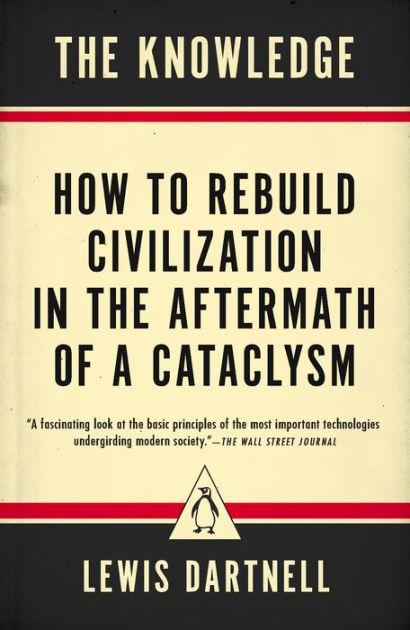
. . . okay, that’s what actually happened with The Knowledge. And yet, before I finished it, it was already one of my favorite books of all time, and at the top of my list of recommendations for anyone writing SF&F — and possibly even as a textbook in certain high school or higher education classes. It’s the best single source for teaching the history of science and technology I’ve ever seen, and it does so from the engaging and entertaining perspective of “Civilization has collapsed; what now?”

Continue reading

The cover and dust jacket text for Jim Butcher’s The Aeronaut’s Windlass have been released. io9 has an exclusive look at the second chapter, so just hop over there to take a look. Meanwhile, here’s the cover:

Jim Butcher Aeronaut's Windlass

What, no hats?

This isn’t just an announcement, however. I’m going to take a closer look at what this book seems to have in store for us.  Continue reading

Four things you can learn about writing from Soulless:

  1. Regency/Victorian stylings. If you want the feel of 19th century England, it’s obvious where to go: Jane Austen, Charles Dickens, and other authors who lived in that period. Sometimes, though, it’s refreshing to look at someone taking that period and messing around with it, allowing you to see what’s essential and what isn’t. If inserting vampires, werewolves, and ghosts into everyday Victorian society isn’t “messing around with it,” I don’t know what is. 
  2. Sexual humor without vulgarity. It’s a fine line between joking about sex and being crude. There is a lot of sexual humor in this book, but it is funniest when couched in Victorian speech patterns and indirect phrasing. See what you find funniest, and ask yourself why.
  3. Floating perspective. There’s a reason why floating perspective is frowned on in modern fiction: it can get hard to keep track of which person you’re supposed to identify with. It works in Soulless mainly because the literature of the real-life period did it; but to make it work, you have to avoid getting too deep into one character’s perspective before shifting into another’s. Pay attention to where the POV shifts in the middle of a scene, and why Carriger keeps it from being jarring.
  4. Avoid infodumping. Read the first chapter and identify the information that is just placed there before it’s truly needed. Compare this to other parts of the book where information is not given so quickly. How would you rewrite the first chapter to give a steadier, more gentle flow for information? 

My friend, sister (well, by mutual agreement; who says you can’t pick your family?), and future co-author (next year) Elizabeth, of the more-popular-than-mine blogs Elenatintil and Confessions of a Seamstress, has been resisting one of my recommendations. Doctor Who? Check. X-Men? Check. David Eddings’ The Belgariad? Check. Firefly? Shiny! Girl Genius? SCIENCE!

But even as our other friends read more and more of The Dresden Files, she has steadfastly (if quietly) demurred. On Saturday, her latest response was “Maybe someday. But you have to read The Parasol Protectorate first.” Continue reading