When I was 22, I logged into a Forgotten Realms forum called Candlekeep to find that no less a personage than Ed Greenwood — the prolific creator of the setting that WotC murdered — had read the backstory I posted about a character I was going to play in a then-upcoming game and declared it… Continue reading Why Your AI Lies About Your Writing
Author: Matthew Bowman
Matthew Bowman is a traditionally-minded Catholic convert and freelance science fiction and fantasy editor, which means that he's in high demand in a small population. Fortunately, he loves talking about stories. And Catholicism. And history. And philosophy. And lots of other stuff.
Four Rules of Using AI
What, exactly, constitutes AI? How can you use it without destroying your own creativity as an author?
How Do You Define Science Fiction?
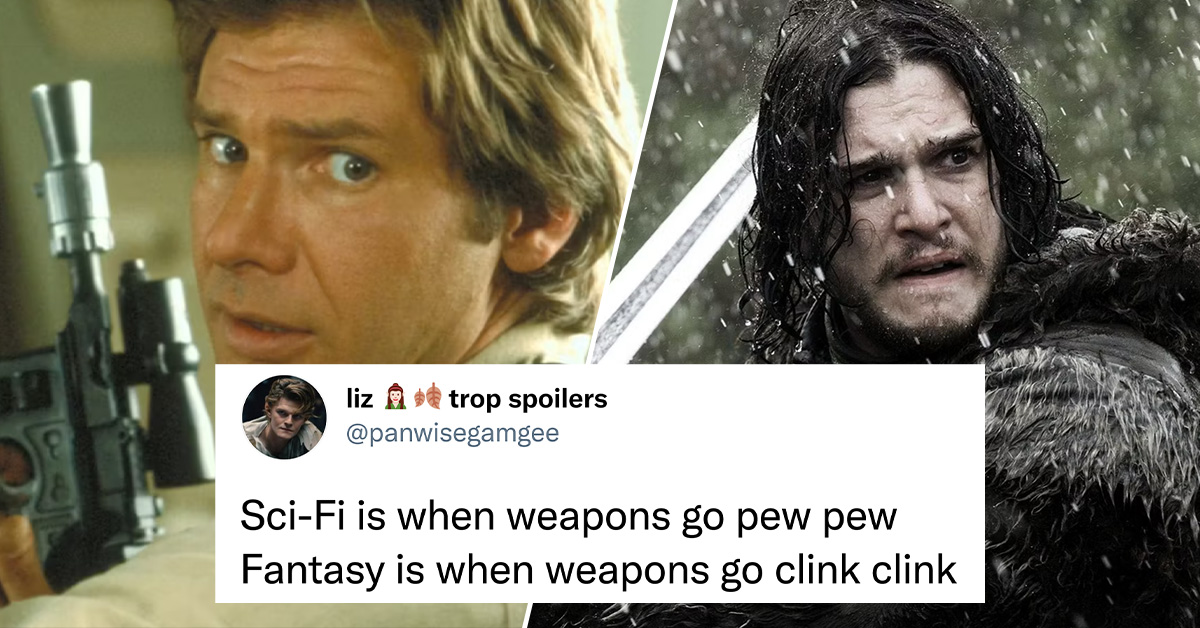
Spend enough time in sci-fi fandom and you’ll eventually be expected to take a side: is Star Wars science fiction or space fantasy? The usual argument against including Star Wars in the hallowed halls of science fiction is “because space wizards.” However, then we have to define what “space wizardry” really is, because there’s nothing… Continue reading How Do You Define Science Fiction?
The Human Limitations of Arms and Armor
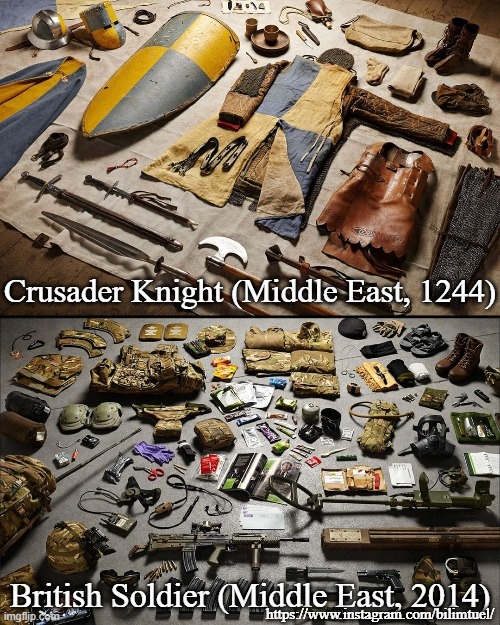
Some people will frequently overlook the human limits of historical arms and armor — not just what someone can’t do, but what they can as well.
Interview with Steve Diamond
Author, podcaster, and sworn enemy of selachimorphs Steve Diamond talks horror, rewrites, and audiobooks in a special text interview.
Review of Parasite, by Steve Diamond
Parasite is the sequel to Residue, which I reviewed previously. After the events of the last book, Jack Bishop has been relocated to Sacramento as part of an elaborate game of evil-mastermind chess between two genetic research firms, one of which is holding his father prisoner, and both are attempting to control Jack. I wasn’t… Continue reading Review of Parasite, by Steve Diamond
Near-Future Sci-Fi Just Got Easier
Due to the growing interest in space exploration it is easier than ever to write near-future SF and ground it in real physics and engineering — and audiences are going to be looking for those stories.
Weekly Time Management
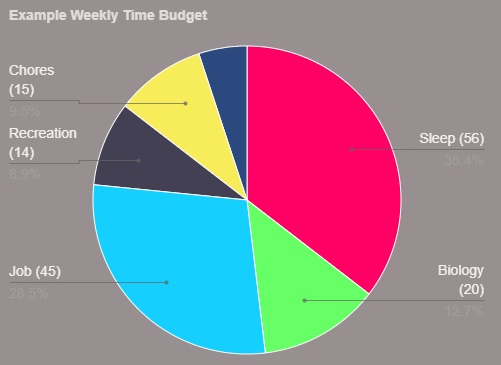
When you’re not already a full-time author, you have to plan out all your other responsibilities before you can justify spending time on writing.
The Emotional Thesaurus: A Must-Have for Any Fiction Author
If your writing reference library does not include The Emotion Thesaurus, you owe it to yourself — and your characters — to fix that as soon as you can.
Writing Maxim #2: Fiction Has to Make Sense
As I mentioned before, I have a few phrases of advice regarding creative writing that I repeat often enough to dub them maxims. This time, I want to look at the concept that real life has an advantage over fiction: fiction has to make sense. This is hardly an original observation of mine, of course;… Continue reading Writing Maxim #2: Fiction Has to Make Sense


You must be logged in to post a comment.