Category: Tools and Techniques


Weekly Time Management

In Sandman by Neil Gaiman, Death reminds someone that “You lived what anybody else gets. You got a lifetime.”

Everyone has an equal amount of time each day. How you use it matters. And when you’re not already a full-time author, you necessarily have other things you need to work on first. Maximizing your time doesn’t mean squeezing in every possible moment of work; it means getting things done as efficiently as possible. That sometimes means your writing takes low priority, and that might not be a bad thing. For most people, writing shouldn’t be the most important thing in their lives.

But most of us — or, perhaps, most of those who stick with it — are writing because we have to. Because the stories are going through our heads and we feel like we’ll explode if we don’t find a way to get them out. If other people like the stories, so much the better. If other people will pay for the same stories . . . well, that’s just plain awesome. If other people pay for it to the extent that we can do it full time? For most of us, that’s the dream.

Getting there means developing habits and treating writing like a responsibility. That includes figuring out how much time per week you really have to devote to writing. I say per week because while a daily writing habit is all well and good, our routine is rarely identical from one day to the next. A month, on the other hand, is too long to plan out very well. A week, on the gripping hand, is just right. In fact, society already does it that way, to the point that the rhythms of one week usually mirror those of the weeks preceding and following it. Lean into that by creating a weekly time budget to plan out your writing goals.

Continue reading
Unless you’re so far under a rock that you’re not even reading this blog in the first place, you’ve heard that a double strike of writers and actors has resulted in the effective shutdown of the movie and TV industry in the United States. This of course affects more than just writers and actors, as well as more than just US citizens; lots of people other than actors and writers work in these industries, and a staggering number of people will be indirectly affected by the lack of production in the meantime. (For an idea of how interconnected everything is, I suggest reading the famous essay, “I, Pencil.”)

Continue reading

I got wiped out by illness last week, but a large number of you wanted another post on ChatGPT, specifically on the ‘idea winnowing’ I mentioned in my last post. (And if you missed the first post, explaining what ChatGPT is and how it works, click this shiny and well-crafted link.)


Just to recap: you’ll see a lot of people referencing ChatGPT as a tool for idea generation. That’s using it the wrong way. Ideas are a dime a dozen. You already have too many of them buzzing around your head; that’s why you feel like you can’t come up with anything, because nothing is standing out. Instead, ChatGPT can be used to winnow that mess down to something manageable.

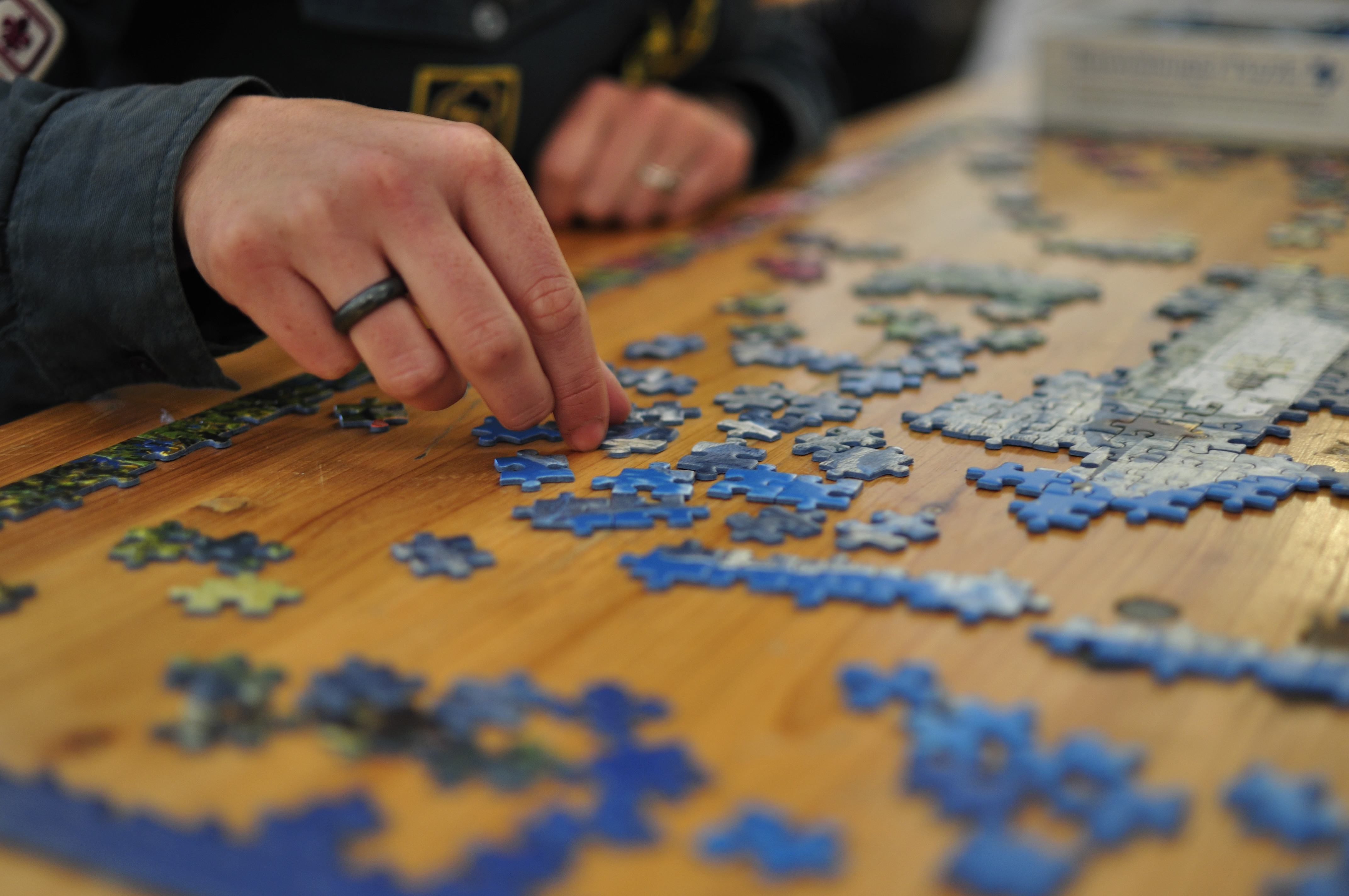
We do this just as we would without ChatGPT: by focusing on some sort of starting point. That can be something generic, or even starting by rejecting something specific — or both. Try phrasing something as “I want X, but not Y.” For example, “I want a genius scientist character, but I don’t want someone socially inept.” If you were bouncing that off of a friend, he or she might say, “Like Tony Stark?” which then gives you an opportunity to narrow it down, such as by saying “Yes, but not arrogant. Charming, but not full of himself” or maybe “No, more like someone Robin Williams might have played. A joker who doesn’t seem to take things seriously, but actually does.” That’s how idea winnowing works. Like putting together a puzzle, you start with an edge and then explore around to find pieces that can fit.

Continue reading

Ninja fan Olivia B. asks:

“What are the most common errors in writing descriptions? How do we avoid them?”

Excellent question! In fact, this subject is one of the major areas that an amateur author struggles with, because it goes right to the heart of the actual act of storytelling itself. Continue reading

Gaming for Writers

For those who know me, it’s no secret that I’m a gamer. No, not a computer or video gamer; I’ll play those, sure, but what I really like to do is sit around a table with friends to tell a story using nothing but dice and imagination. Continue reading

This afternoon, I saw an ad related to creative writing. As you might expect, with my web activity, I get a lot of those. (It’s a lot better than [CENSORED] or [BLOCKED] offers, neither of which I will actually mention for fear of generating ads for them here!) This one was advertising “the only system you’ll ever need to create a compelling narrative.”

That sort of claim makes me feel sorry for the would-be authors who fall for these schemes. Continue reading